A Comprehensive Guide to Conducting Effective Business Analysis
ERP Strategy
November 24, 2026
In today’s rapidly changing business landscape, conducting a thorough business analysis is crucial for organizations aiming to make informed decisions, optimize their operations, and remain competitive.
Whether you’re a seasoned business analyst or a business owner seeking to gain deeper insights into your company, this comprehensive guide will walk you through the key steps and best practices for conducting a successful business analysis.
What Is Business Analysis?
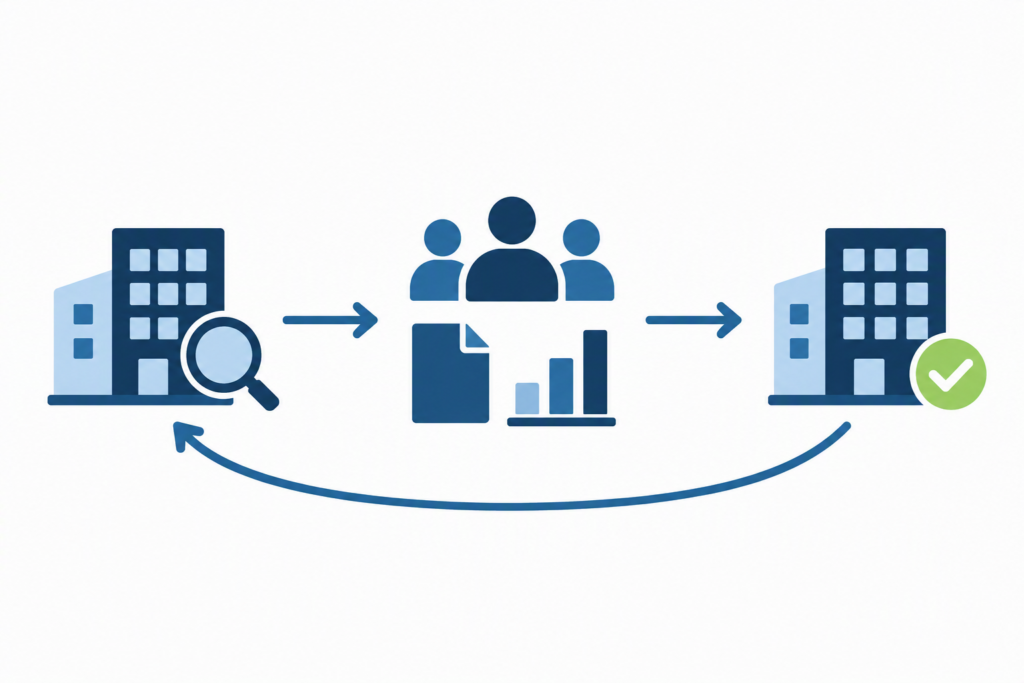
Business analysis is the process of identifying business needs, problems, and opportunities and then developing solutions to address them. It involves collecting and analyzing data, assessing the current state of a business, and defining the desired future state.
Business analysts act as intermediaries between stakeholders to facilitate effective communication and ensure that business requirements are met.
Key Steps in Conducting a Business Analysis
1. Define the Scope
Clearly outline the objectives and goals of your analysis.
Identify the stakeholders involved and their expectations.
Determine the boundaries and limitations of the analysis.
2. Gather Information
Collect data from various sources, such as interviews, surveys, documents, and historical records.
Use techniques like SWOT analysis (Strengths, Weaknesses, Opportunities, Threats) to assess the internal and external factors affecting the business.
3. Identify Business Problems and Opportunities
Analyze the data to identify problems that need to be solved and opportunities for improvement.
Prioritize these issues based on their impact and urgency.
4. Develop a Business Analysis Plan
Create a detailed plan outlining the tasks, resources, and timelines for the analysis.
Define the roles and responsibilities of team members and stakeholders.
5. Analyze Data
Use various analytical tools and techniques such as data modeling, process mapping, and trend analysis to gain insights.
Identify patterns and trends that can inform decision-making.
6. Define Business Requirements
Document clear and concise business requirements that address the identified problems and opportunities.
Ensure that requirements are specific, measurable, achievable, relevant, and time-bound (SMART).
7. Propose Solutions
Brainstorm and evaluate potential solutions to address the identified issues.
Consider the feasibility, cost, and risks associated with each solution.
Present a recommended solution that aligns with the business goals.
8. Communicate and Validate
Present your findings and recommendations to stakeholders for feedback and validation.
Incorporate their input to refine the proposed solution.
9. Implement and Monitor
Develop an implementation plan and oversee the execution of the proposed solution.
Continuously monitor the progress and make necessary adjustments.
10. Document and Report
Maintain detailed records of the entire analysis process.
Create a comprehensive report that includes the analysis findings, recommendations, and the rationale behind them.
Best Practices for Effective Business Analysis
1. Effective Communication
Foster open and transparent communication with stakeholders.
Use clear and concise language in all documentation and presentations.
2. Stakeholder Engagement
Involve key stakeholders throughout the analysis process to ensure their needs are addressed.
3. Data Quality
Ensure the accuracy and reliability of the data collected for analysis.
Use data validation and cleansing techniques as needed.
4. Adaptability
Be prepared to adapt your analysis approach as new information or challenges arise.
5. Continuous Learning
Stay updated on industry trends, tools, and best practices in business analysis.
Conclusion
Conducting a business analysis is a critical process for organizations seeking to thrive in today’s competitive business environment. By following the key steps and best practices outlined in this guide, you can effectively identify and address business needs, problems, and opportunities, ultimately driving success and growth for your organization.
Remember that business analysis is an iterative process, and ongoing analysis and adaptation are essential for long-term success.
Ready to improve visibility,
reduce operational complexity and build a stronger foundation for growth?
Whether you’re evaluating a new ERP platform, planning an upgrade, or improving your manufacturing operations, a Manufacturing Strategy Session can help identify opportunities to improve visibility, operational performance, and determine the right path forward.